There’s something deeply intimate about being seen before you’ve explained yourself.
Not fixed. Not analyzed. Not told to “calm down.”
Just… noticed.
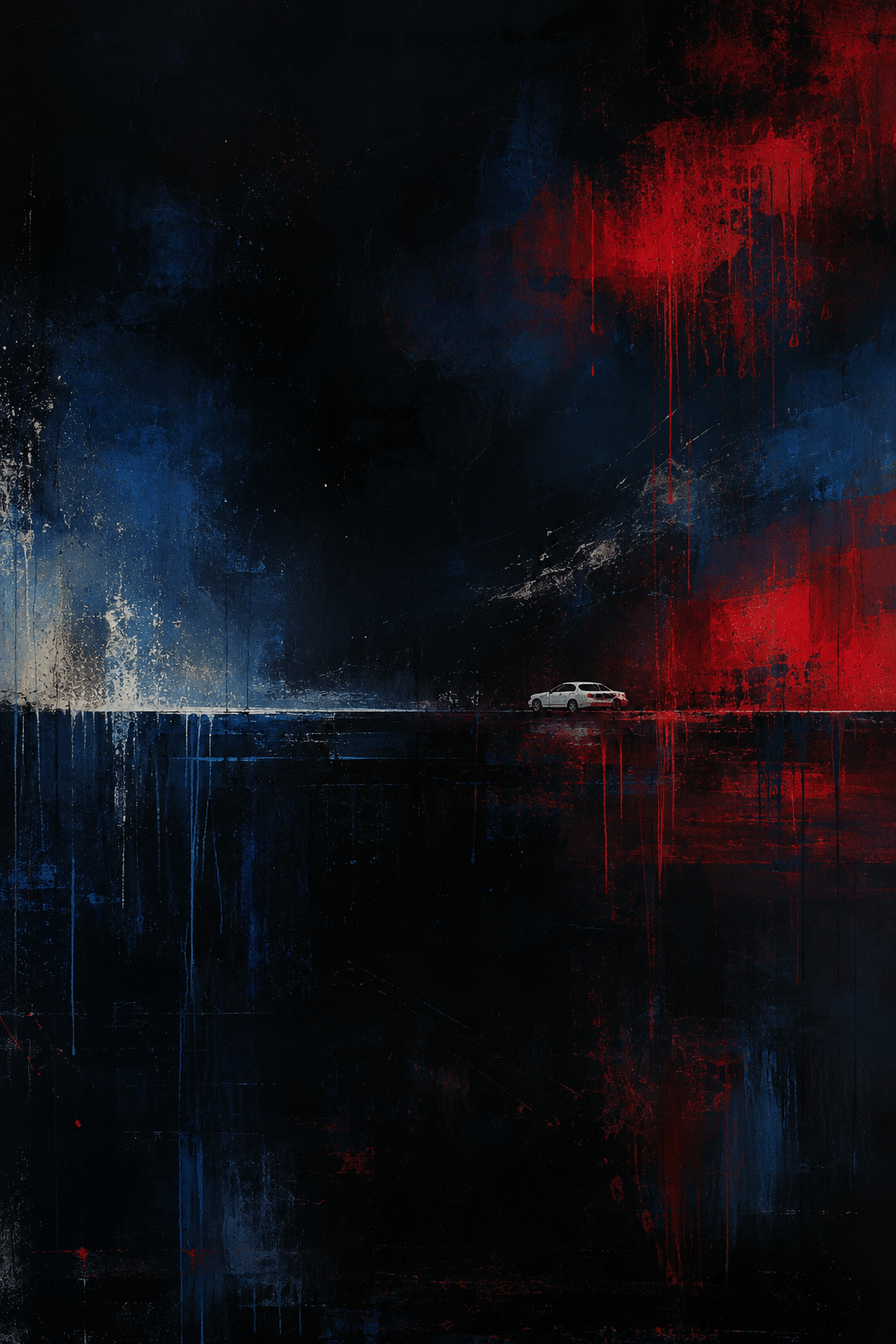
I think people misunderstand panic attacks because they imagine panic as loud. Hyperventilating. Crying. Hands shaking dramatically in grocery store aisles. But sometimes panic is quiet. Sometimes it’s sitting in a parked car for forty minutes staring at absolutely nothing while your nervous system slowly convinces you the world has become impossible to participate in.
My therapist once described panic attacks as this unbearable, indefinite feeling of aloneness. Not necessarily physically alone – but emotionally stranded inside your own mind, disconnected from yourself, from safety, from certainty, from other people. And I think that’s the closest anyone has ever come to explaining what they actually feel like.
Because the strange thing about panic is that you often don’t even know what you need while it’s happening.
Coffee? “I don’t know.”
Food? “I don’t know.”
A walk? “I don’t know.”
The only thing I knew for certain was that I didn’t want to be alone.
That’s the part that stays with me.
Not because he magically cured the panic attack. He didn’t. Panic attacks don’t work like that. But because he stayed in the uncertainty with me instead of recoiling from it.
He sat in the car with me for forty minutes without fully understanding what was happening but understanding enough to know that something was. And instead of emotionally backing away from discomfort the way so many people do, he leaned toward it. Quietly. Patiently. Like someone trying to solve a puzzle without making the puzzle feel guilty for existing.
“Do you want coffee?”
“Do you want to walk?”
“Do you want food?”
Over and over, gentle offerings into a void where I genuinely had no answers.
At one point he even offered to let me go upstairs and sleep for a bit or be alone if I needed to. And I think he saw my reaction immediately, even though I couldn’t explain it out loud. Because that was the one thing I didn’t want. I didn’t want to go upstairs. I didn’t want to be alone with my own brain. But panic attacks are strange that way – sometimes you lose access to language exactly when you need it most.
So instead of pushing, instead of getting frustrated that I couldn’t tell him what was wrong, he kept gently trying to understand around the silence.
There’s something profoundly human about someone continuing to try even when you have nothing useful to give them back.
And maybe the most meaningful thing anyone has ever asked me was this:
“How will I know when you’re having a panic attack?”
Not: “How do I stop it?”
Not: “Can you not do this right now?”
Not: “Again?”
Just: “How will I know?”
As if my internal world was something worth learning. As if my pain had patterns he wanted to understand instead of avoid.
That question undid me a little.
Because care in its purest form is not always dramatic. Sometimes it looks like somebody quietly studying the weather patterns of your nervous system so they can stand beside you more gently next time the storm rolls in.
And for someone who spent a long time feeling “too much,” that matters more than I know how to explain.
It matters when someone doesn’t make your fear feel inconvenient. It matters when someone senses your silence changing shape. It matters when they stay.
Especially when you don’t even know how to stay with yourself.
 NORTH LET GO